

When most homeowners think about garage door repair, they imagine fixing panels, replacing openers, or adjusting sensors. However, one of the most critical components of any garage door system is often overlooked—the springs. These small but powerful parts bear the full weight of your door every time you open or close it. When they fail, it can cause sudden, serious problems that affect both the safety and operation of your home.
At Darby Garage Doors, we have seen countless situations where a simple spring repair prevented major damage. One recent case involved a homeowner in Austin who noticed that their door would only open halfway before slamming shut. After a quick inspection, our technicians discovered a broken torsion spring. With a professional repair, the door was fully operational again within an hour—saving the homeowner from a costly full replacement.
According to the Door & Access Systems Manufacturers Association (DASMA), garage door springs are designed to last between 10,000 and 20,000 cycles. For a family that uses their garage four times a day, that equates to about seven years of use. However, local factors such as Austin’s humidity, heat, and seasonal temperature changes can cause springs to wear out even faster. Understanding how these springs work and when they need attention is key to keeping your garage door system in top shape.
The Role of Garage Door Springs
Garage door springs are the powerhouse behind your garage door’s movement. When functioning properly, they make lifting a heavy door feel effortless. There are two main types of springs used in most garage doors: torsion springs and extension springs.
Torsion Springs
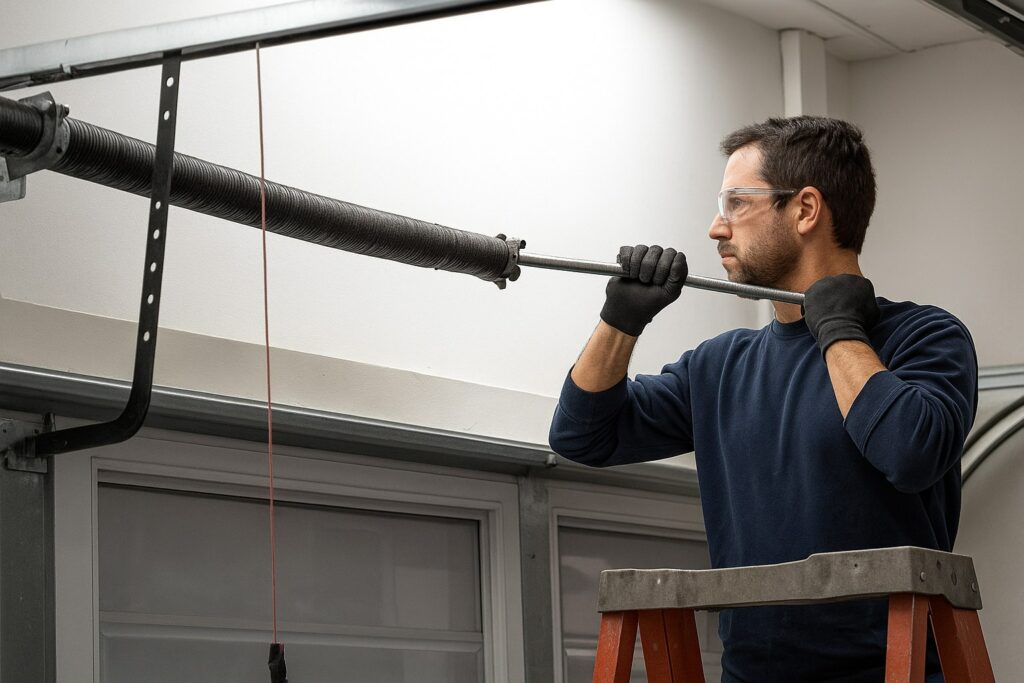
Torsion springs are mounted horizontally above the garage door opening. When you close the door, these springs wind up tightly, storing mechanical energy. As the door opens, that energy is released to lift the door smoothly. Torsion springs provide better balance, smoother operation, and increased safety compared to older designs.
Extension Springs
Extension springs are typically installed along the sides of the door. They stretch and contract with every open and close cycle, assisting the opener with the heavy lifting. While extension springs are more common in older garage doors, they require more frequent adjustments and maintenance.
Why Springs Are So Important
Without properly functioning springs, your opener would need to lift the entire weight of your garage door—often between 150 and 400 pounds. Springs act as counterbalances, making operation smooth and controlled. They also play a major role in the safety of your garage door. A worn-out or broken spring can cause the door to drop unexpectedly, posing a serious hazard to people, pets, and vehicles.
Common Signs Your Garage Door Springs Need Repair
Recognizing the warning signs of spring problems can save you time, money, and stress. Here are some key indicators that it’s time to schedule a garage door repair service with our experienced team at Darby Garage Doors.
1. The Door Feels Heavy or Difficult to Lift
When springs start to lose tension, the door becomes noticeably heavier. You might find that your opener struggles to lift it or stops midway. This is one of the earliest and most common signs of spring wear.
2. The Door Slams Shut Suddenly
A properly balanced garage door should move smoothly along its tracks. If your door suddenly drops or slams shut, it’s a strong sign that one or more springs have failed.
3. Loud Noises During Operation
A loud bang or popping noise from your garage may mean that a spring has snapped. When this happens, stop using the door immediately and contact a professional technician to inspect and replace the broken spring.
4. Uneven Movement or Door Misalignment
If one side of your door appears higher than the other, you may have a broken extension spring. Uneven tension between springs causes unbalanced movement and can damage tracks, rollers, and cables.
5. Gaps in the Spring Coils
A visible gap in your torsion spring means it’s broken. Springs are tightly coiled, so any space between the coils indicates a complete failure and requires immediate replacement.
6. The Door Opens Only a Few Inches
Modern garage door openers have built-in safety mechanisms that stop operation when they detect a problem. If your door only moves a few inches before stopping, a broken spring is likely the cause.
Why You Should Never Attempt DIY Garage Door Spring Repair
It might be tempting to save money by trying to repair or replace a broken spring yourself, but this is extremely dangerous. Garage door springs are under high tension, and a single mistake can cause severe injuries or further damage to your door system.
Safety Concerns
Torsion springs, in particular, store enough energy to lift several hundred pounds. Without the proper tools and knowledge, releasing that tension can cause the spring to snap violently. This can lead to hand injuries, eye damage, or even hospitalization.
Risk of Further Damage
Improper spring repair can also cause misalignment or stress on other parts of your garage door system, including cables, tracks, and rollers. What might have been a simple spring replacement can quickly become a costly repair.
Professional Precision and Tools
At Darby Garage Doors, our skilled technicians use precision-calibrated tools to measure and install springs correctly. This ensures that your door remains balanced, quiet, and safe for years of operation.
The Difference Between Torsion and Extension Spring Systems
Understanding which type of spring your garage door uses can help you identify potential issues and make informed decisions about maintenance or replacement.
| Feature | Torsion Springs | Extension Springs |
| Placement | Mounted above the door | Mounted on each side of the door |
| Operation | Uses torque to lift the door | Stretches and contracts to lift |
| Durability | Longer lifespan, typically 15,000–20,000 cycles | Shorter lifespan, typically 10,000 cycles |
| Safety | Safer, more controlled operation | Higher risk if spring breaks |
| Cost | Slightly more expensive | Lower initial cost |
Most modern garage door systems use torsion springs because they are more reliable, durable, and safer. If your home still uses extension springs, it may be worth upgrading to a torsion system for better performance and fewer repairs over time.
How Weather and Usage Affect Your Garage Door Springs
In Austin, TX, seasonal temperature changes can have a significant impact on your garage door’s performance. High humidity and temperature swings can cause metal components to expand, contract, and eventually weaken.
Temperature Fluctuations
Cold weather can make metal springs brittle, while heat causes them to expand. Over time, this constant contraction and expansion lead to loss of tension or complete failure.
Frequency of Use
The more you use your garage door, the faster your springs wear out. For example, a busy household that opens and closes the door eight times a day will reach the spring’s cycle limit much faster than a home that uses the garage less frequently.
Lack of Maintenance
Without regular lubrication and inspection, springs can develop rust or corrosion, which accelerates wear. Routine garage door maintenance can prevent these issues and extend your spring’s lifespan.
The Importance of Regular Maintenance
Preventive care is key to keeping your garage door system in excellent working condition. Regular maintenance helps catch small problems before they turn into major repairs.
Lubrication
Applying a high-quality garage door lubricant to the springs, rollers, and hinges reduces friction and prevents rust. This should be done every three to four months, especially before the start of hot or humid seasons.
Balance Testing
To test your spring balance, disconnect the opener and manually lift the door halfway. If it stays in place, your springs are balanced. If it falls or rises on its own, you may need professional adjustment.
Visual Inspection
Check for signs of wear such as rust, gaps in coils, or uneven movement. If you notice any irregularities, call our expert technicians at Darby Garage Doors for a thorough inspection.
What Happens During a Professional Garage Door Spring Repair
When you schedule a garage door repair appointment, our process ensures both efficiency and safety. Here’s what you can expect from our expert team in Austin:
Step 1: Detailed Inspection
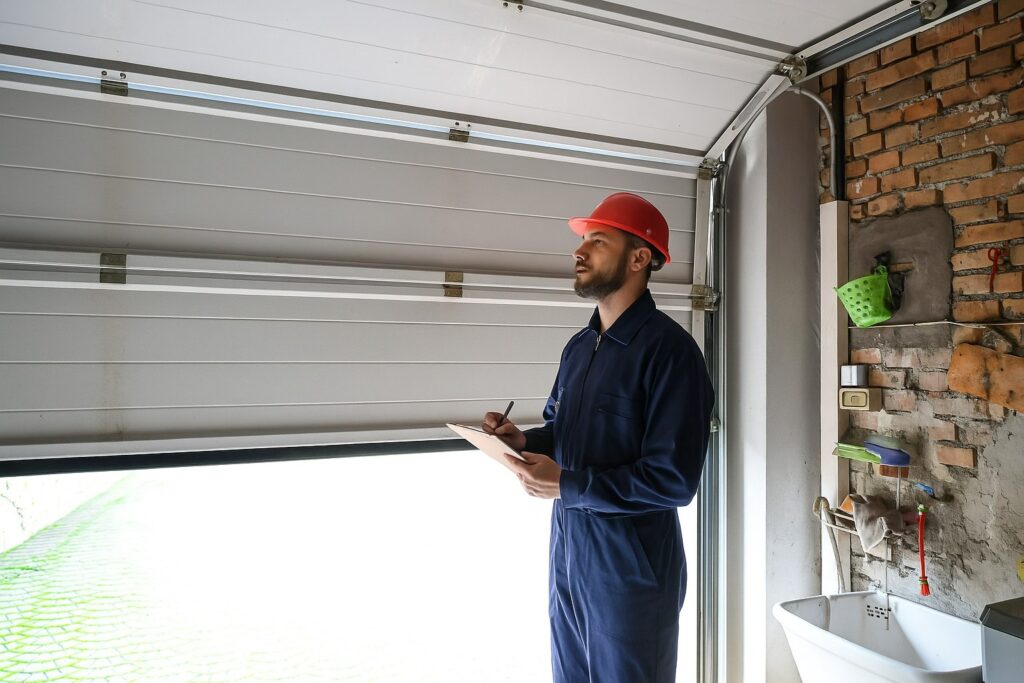
Our technicians perform a comprehensive inspection of your entire garage door system. We assess spring condition, cable tension, rollers, tracks, and opener functionality to identify all potential issues.
Step 2: Spring Measurement and Selection
Each spring is measured precisely to match the weight and size of your specific garage door. Using the wrong spring can cause imbalance, excessive noise, or even early failure.
Step 3: Safe Removal and Replacement
We safely release spring tension using specialized tools and replace the damaged components with new, high-quality springs designed to last for thousands of cycles.
Step 4: System Balancing and Testing
After installation, our team balances the entire door to ensure smooth and quiet operation. We also test safety features, opener response, and overall performance to guarantee a perfect finish.
The Cost of Garage Door Spring Repair
Several factors determine the cost of spring repair, including the type of spring, door size, and labor. On average, homeowners in Austin can expect to pay between $150 and $350 for professional spring replacement. This investment ensures safe, reliable operation and prevents potential damage to other components of your garage door system.
Remember, attempting DIY repairs can end up costing more in the long run if mistakes cause damage to cables, rollers, or the opener.
How to Extend the Life of Your Garage Door Springs
While no spring lasts forever, proper care can add years to its lifespan. Here are some effective ways to extend the life of your springs:
- Schedule Annual Maintenance – A yearly inspection by trained technicians ensures early detection of wear or imbalance.
- Lubricate Moving Parts – Keep springs and rollers well-lubricated to reduce friction.
- Avoid Overuse – If possible, limit unnecessary garage door cycles.
- Replace Both Springs Together – When one spring fails, the other is usually close behind. Replacing both ensures even performance.
- Invest in High-Cycle Springs – Ask about heavy-duty springs designed for 25,000 to 50,000 cycles for longer-lasting performance.
When It’s Time to Replace, Not Repair
Sometimes a spring is too damaged to repair safely. If your garage door is more than 10 years old, or if multiple parts are showing signs of wear, replacement may be the best long-term solution. Our technicians at Darby Garage Doors can recommend the right upgrade for your home or business to ensure smooth, quiet, and efficient operation.
Safety First: What to Do If a Spring Breaks
If you suspect a broken spring:
- Stop using the door immediately. Continuing to operate it can cause the opener to burn out or the cables to snap.
- Do not attempt to lift it manually. The full weight of the door can cause injury.
- Unplug the opener. This prevents accidental activation.
- Call a professional right away. Our team offers same-day service to restore your garage door’s operation quickly and safely.
Frequently Asked Questions (FAQs)
Q1: Can I upgrade my existing springs to “high-cycle” springs for longer life?
Yes. High-cycle springs are designed to withstand more open/close cycles (often 25,000 or more) and can extend the service life of your system when installed correctly. A qualified garage door company can advise if your door and opener are compatible for such an upgrade.
Q2: How often should I schedule professional maintenance for my garage door springs?
It’s recommended to schedule a professional inspection and maintenance at least once a year, especially if your door sees frequent use or is exposed to harsh conditions. This helps detect early wear and maintain proper tension and balance before repairs are needed.
Q3: Will replacing springs improve the speed or energy efficiency of my garage door opener?
While replacing worn springs won’t dramatically increase the speed, it can relieve excess strain on your opener, allowing it to operate more smoothly and with less energy. Balanced springs help the door open/close properly, which in turn reduces wear on the opener motor.
Q4: What should I ask my technician when they replace my garage door springs?
Ask about the cycle rating of the new springs, the warranty provided, whether they recommend replacing both springs and cables together, and the types of safety features (such as safety cables or torsion shaft guards). These questions help ensure you receive a comprehensive repair or replacement service.
Why Choose Darby Garage Doors
With years of experience serving the Austin, TX community, Darby Garage Doors has earned a reputation for reliability, professionalism, and expert service. Our technicians are fully trained and equipped to handle all types of garage door issues, from broken springs and openers to full installations.
We pride ourselves on delivering precision garage door repair services that meet the highest standards of safety and quality. Whether you need emergency service, regular maintenance, or a new garage door installation, our team is here to help every step of the way.
How Can Darby Garage Doors Help You?
When your garage door springs start to show signs of wear or your door stops functioning as it should, don’t wait for the problem to worsen. At Darby Garage Doors, we provide fast, reliable, and professional garage door repair services tailored to your needs. Our expert technicians can handle everything from spring replacements and opener adjustments to complete garage door installations for both residential and commercial clients.
We proudly serve Austin, TX, and surrounding areas, offering same-day service for urgent repairs and scheduled maintenance for long-term performance. With our commitment to quality workmanship and customer satisfaction, you can count on us to keep your garage door in perfect working order.
📍 Address: Darby St, Austin, TX 78721, United States
📞 Phone: (512) 881-8331
Call us today to schedule an appointment or request a free inspection. Experience the difference that true craftsmanship and professional care can make for your home or business.