

When one of our clients in East Austin found themselves stuck in the driveway on a hot summer morning, it quickly became clear that a rushed garage door tune-up had gone wrong. The homeowner had tried to lubricate the garage door system but ended up applying grease to the tracks instead of the rollers, causing the door to jam. The springs had also been improperly adjusted, placing unnecessary strain on the opener motor. This real-life scenario shows how even well-meaning attempts at maintenance can lead to bigger problems if not done properly.
Every year, garage doors are involved in over 20,000 reported injuries across the United States. Many of these incidents stem from poor upkeep or do-it-yourself tune-ups performed without the right tools or knowledge. In a climate like Austin’s, where seasonal temperature swings and humidity fluctuations affect mechanical systems, regular garage door maintenance becomes even more important. Simple errors can lead to costly repairs, reduce the lifespan of components, or even result in safety hazards.
At Darby Garage Doors, we specialize in professional garage door services that keep your door operating safely and smoothly. We serve residential and commercial clients across Austin, TX, offering garage door tune-ups, repairs, inspections, and complete installations. Through years of experience, we have identified the most common mistakes homeowners make when tuning up their garage doors. In this article, we will walk you through these common issues, provide real-world examples, and offer expert advice on how to avoid them.
Understanding What a Garage Door Tune-Up Involves
A garage door tune-up is a thorough inspection and maintenance service designed to ensure all components of your garage door system are in proper working condition. It includes tasks such as tightening bolts, inspecting cables, checking the condition of springs, lubricating rollers and hinges, and verifying that the garage door opener and safety sensors are functioning correctly.
A well-done tune-up is a preventative measure that helps you avoid unexpected malfunctions. It involves not only visual inspection but also functional tests that simulate day-to-day use. By catching minor issues early—such as worn rollers or slow motor response—you avoid expensive repairs and extend the overall life of the system.
Homeowners in Austin often use their garage doors multiple times a day. Over time, regular operation can wear down critical components. A proper tune-up can extend the life of your door, help you avoid expensive repairs, and improve safety for everyone in your household.
Why Garage Door Tune-Ups Matter in Austin, TX
Austin’s weather conditions can be challenging for garage door systems. Hot summers, occasional flooding, and high humidity can all take a toll on metal components, rubber seals, and electronic parts. The heat can cause lubricants to break down faster, while humidity increases the chances of rust and corrosion.
In neighborhoods like Travis Heights and Zilker, where older garage doors are still in use, routine maintenance helps prevent unexpected breakdowns. It also contributes to energy efficiency by ensuring weather seals remain intact, preventing air leaks that can increase your utility bills.
For commercial properties in Downtown Austin or South Lamar, a malfunctioning garage door can disrupt business operations and pose safety risks. Scheduling regular garage door tune-ups ensures that your system remains in top condition throughout the year. Keeping commercial overhead doors in peak condition can also protect inventory and reduce downtime.
Lubricating the Wrong Components
One of the most frequent mistakes we see involves the misuse of lubricants. Many homeowners mistakenly apply lubricant to the garage door tracks, thinking it will help the door slide more smoothly. In reality, tracks should remain clean and dry. Lubricating them attracts dirt and debris, which can interfere with the rollers and obstruct smooth operation.
Instead, lubrication should be focused on rollers, hinges, and torsion springs. These moving parts benefit from a quality lithium-based or silicone-based lubricant specifically designed for garage doors. Applying the right product in the right place ensures quiet operation and reduces wear on moving components.
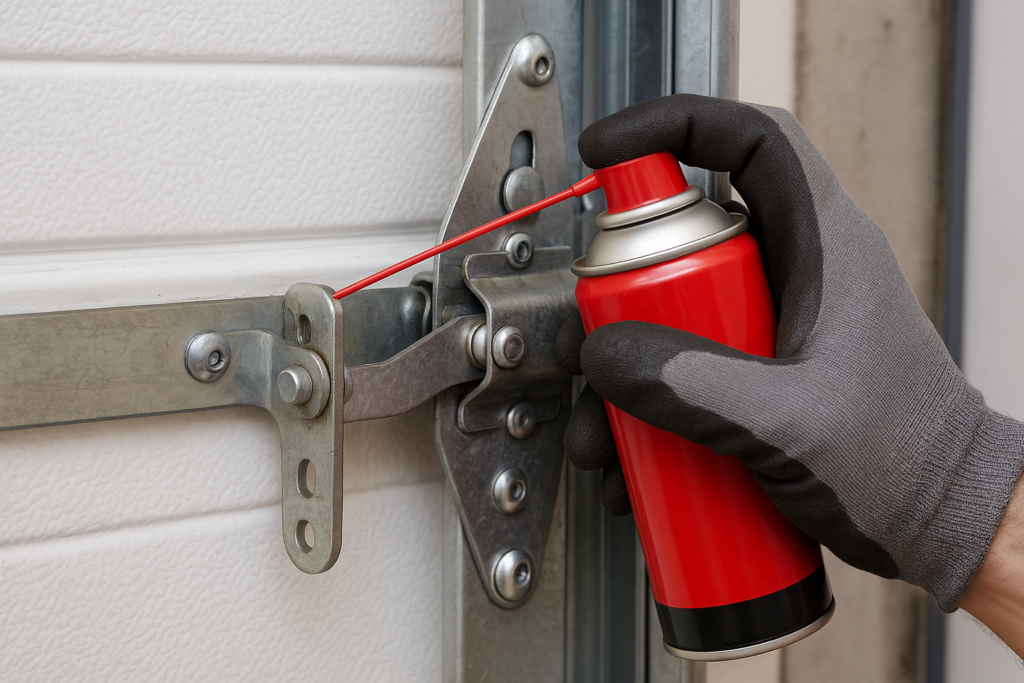
A helpful tip is to wipe away old grease before applying new lubricant. This ensures that components do not accumulate grime or lose mobility. The frequency of lubrication should be every three to four months, depending on usage.
Improper Handling of Springs
Garage door springs are tightly wound and carry immense tension. Torsion and extension springs help lift the heavy weight of the garage door. When adjusted incorrectly, these springs can snap or release suddenly, causing injury or damage to the door system.
For example, a homeowner in North Austin attempted to adjust a torsion spring using a standard wrench. The spring recoiled unexpectedly, leading to a damaged center bearing plate and a significant repair cost. This kind of mistake is not only dangerous but also costly.
Only trained technicians with the proper tools and knowledge should handle spring adjustments. If you notice signs of wear or imbalance, schedule a professional garage door tune-up immediately.
Regular inspection of your springs can also help you spot rust, gaps, or loss of tension—common issues that indicate aging parts. Replacing springs before they break can save you from emergency repairs and extend the lifespan of your opener.
Over-Tightening Hardware
While checking bolts and screws is an essential part of garage door maintenance, over-tightening them can do more harm than good. Excessive force can strip screw threads or crack lightweight aluminum and steel components. This leads to loose mounts or misaligned tracks over time.
During your tune-up, inspect all visible hardware for signs of looseness. Use a hand tool to gently tighten loose bolts, but avoid applying unnecessary force. A professional technician will use torque-rated tools to ensure everything is secured to manufacturer standards without damaging the system.
It’s also important to remember that different parts of your garage door system are designed to move. Hinges and brackets, for instance, may shift during operation, and over-tightening them can restrict natural movement and cause binding.
Using Inappropriate Lubricants
Not all lubricants are created equal. Products like WD-40, while popular in households, are not appropriate for garage door systems. These types of sprays displace water but do not provide lasting lubrication and can actually attract dust and grime.
Stick with lithium-based grease or silicone sprays made specifically for garage door parts. These products are designed to withstand Austin’s heat and humidity, ensuring consistent performance throughout the seasons.
Using the wrong lubricant may result in squeaking noises, increased friction, and even part failure. Always choose products labeled for garage doors, and consult your technician if you are unsure what type to use.
Failing to Test Safety Sensors
Safety sensors are a crucial part of any modern garage door system. Located near the base of the door, they prevent the door from closing on people, pets, or objects. Neglecting to test these sensors during a tune-up can result in hazardous situations.
To test the sensors, wave an object like a broom in front of them while the door is closing. If the door fails to reverse direction, the sensors may be misaligned or malfunctioning. Regular testing ensures that your safety features are in working condition and comply with current safety regulations.
Make sure the sensor lenses are clean and unobstructed. Dust, spider webs, or leaves can trigger false readings. You should also check the alignment periodically using a laser level or by verifying the LED lights on the sensors.
Neglecting Weather Seals
Weather seals protect your garage from moisture, dirt, and pests. When these rubber or vinyl components crack, harden, or pull away from the frame, your garage becomes vulnerable to water damage and energy loss.
In flood-prone areas such as East Riverside or near Lady Bird Lake, failed weather seals can allow rainwater to seep into your garage, damaging stored items and increasing humidity. Check seals regularly and replace them as needed to maintain a proper barrier against the elements.
New weatherstripping can also improve insulation and help reduce cooling and heating costs. You can purchase pre-cut kits or have a technician install custom seals for your specific door size.
Ignoring Door Balance
A properly balanced garage door should remain in place when lifted halfway and released. An unbalanced door puts excessive strain on the opener and can lead to premature failure of springs and cables.
To perform a balance test, disconnect the opener and manually raise the door halfway. If the door rises or falls on its own, it is out of balance and requires professional adjustment. Ignoring this issue can lead to uneven wear on the entire garage door system.
Other signs of imbalance include squeaky operation, uneven lifting, and visible gaps between panels. A technician can make torsion spring adjustments to restore balance and improve performance.
Overlooking the Garage Door Opener
The garage door opener is often forgotten during maintenance, even though it plays a vital role in your door’s operation. Failing to inspect the opener motor, belt or chain drive, and backup battery can result in sudden malfunctions.
For homeowners in neighborhoods with frequent power outages, such as Westlake Hills, a backup battery is essential. Test it regularly and replace it every one to two years to ensure uninterrupted access to your garage.
You should also listen for unusual noises during operation and verify that the remote control and wall switch respond promptly. A sluggish opener may indicate belt tension issues, software errors, or worn gears.
Attempting Electrical Repairs Without Training
Electrical repairs should only be performed by licensed professionals. Garage door openers contain high-voltage components that can pose serious risks if tampered with improperly.
We have responded to several calls in Central Austin where homeowners attempted to fix wiring issues, only to create more damage or trip breakers. Leave these repairs to certified technicians to ensure safety and proper function.
If your wall control panel malfunctions or the opener light fails to turn on, do not attempt to open the casing yourself. Call a garage door repair expert for diagnosis and repair.
Dismissing Early Warning Signs
Small issues such as grinding noises, slow movement, or flickering lights on the wall console may seem insignificant, but they often indicate bigger problems. Ignoring these signs can lead to system failure or emergency repairs.
If your garage door starts behaving differently, take it as a cue to schedule a tune-up. Identifying and fixing minor issues early prevents them from turning into major repairs later.
Keep a log of recurring issues or subtle changes in behavior. This information can help technicians identify patterns and address the root cause more efficiently.
Skipping Routine Cleaning
A clean garage door not only looks better but also performs better. Dirt buildup can clog rollers and attract pests. In Austin, where dust and pollen are common, seasonal cleaning helps preserve the door’s finish and prevents buildup on moving parts.
Use a soft cloth and mild soap to clean the exterior of your garage door every few months. Pay attention to the bottom seal and track area, as these places often collect the most debris.
Cleaning also provides a chance to inspect the surface for dents, warping, or signs of rust. Repainting or resealing the door surface can protect against UV damage and moisture.
Failing to Schedule Professional Tune-Ups
Perhaps the most critical mistake is not calling in professionals for regular garage door maintenance. While homeowners can perform basic checks, a trained technician can spot hidden issues and ensure every component is working together efficiently.
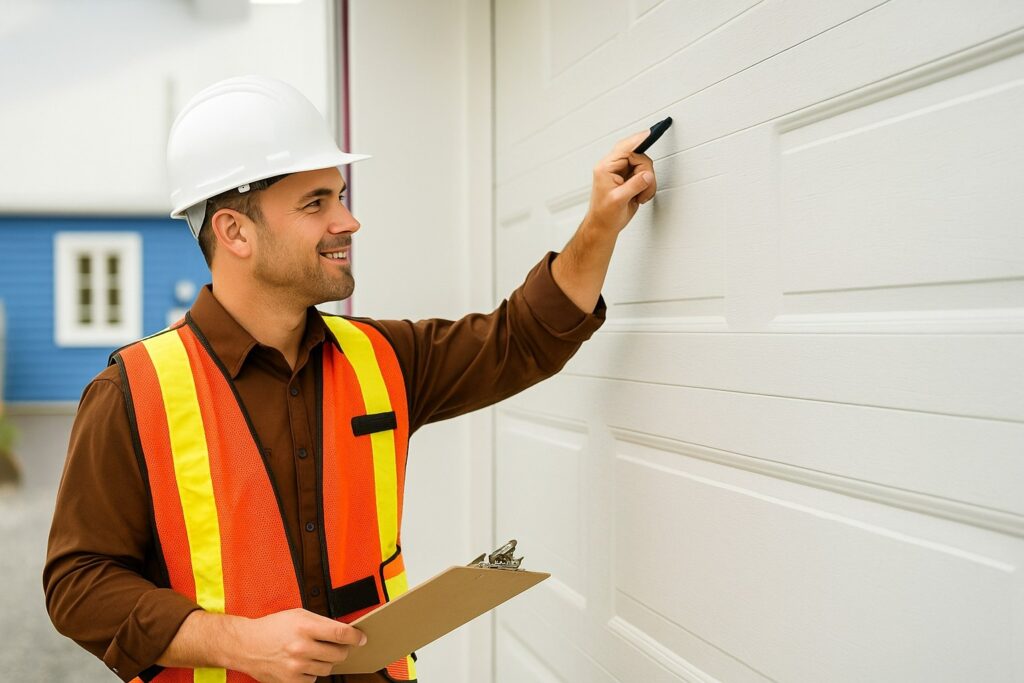
Annual professional inspections are recommended for all garage doors, especially in regions like Austin, where environmental conditions affect system reliability. Our expert technicians at Darby Garage Doors perform thorough inspections, precision adjustments, and comprehensive safety checks tailored to your specific garage door model.
By investing in regular professional tune-ups, you can ensure the longevity and safety of your garage door system. It is a small investment that pays off in peace of mind, performance, and reliability.
Final Thoughts
Your garage door plays an essential role in daily convenience, safety, and home security. With frequent use and exposure to harsh conditions, even a well-installed garage door system can experience wear and tear over time. Performing a garage door tune-up is not just about extending the life of your components, but also about ensuring the safety of your home and family.
Avoiding common tune-up mistakes like over-tightening parts, using improper lubricants, or mishandling springs can save you time, money, and stress. Regular maintenance combined with professional inspections guarantees smooth operation, prevents costly repairs, and helps your garage door last longer.
If you have any questions about your garage door system or if you notice any signs of wear, strange noises, or performance issues, do not hesitate to contact local professionals for a detailed inspection and service. Being proactive about garage door maintenance is one of the smartest steps you can take as a homeowner.
How Can Darby Garage Doors Help You?
At Darby Garage Doors, we understand that a garage door is more than just an entry point. It is a vital part of your home’s security, functionality, and curb appeal. Whether you need a comprehensive garage door tune-up, urgent garage door repair, or are planning a full garage project, our team of expert technicians is here to help.
We proudly serve the Austin community with:
- Same-day service or emergency garage door repairs
- Thorough garage door tune-ups with detailed inspections
- Safe and professional spring, cable, and roller replacements
- Precision garage door adjustments and balancing
- Garage door opener troubleshooting and upgrades
- Honest pricing and free quotes with no hidden costs
Our technicians are trained to service all major brands, including Craftsman Garage Doors and EDM Garage Doors. We offer professional solutions tailored to your specific needs, ensuring every component of your system works safely and efficiently.
Darby Garage Doors
Address: Darby St, Austin, TX 78721, United States
Phone: (512) 881-8331
Contact us today to schedule your professional garage door tune-up or inspection. Let our experienced team help keep your garage doors in top condition, year after year.
Frequently Asked Questions (FAQs)
1. How often should I schedule a professional garage door tune-up?
It is recommended to schedule a professional garage door tune-up at least once a year for residential doors and twice a year for commercial systems. However, if your door sees heavy daily use or you live in a high-humidity area like Austin, more frequent inspections may be beneficial.
2. Can a garage door tune-up improve energy efficiency?
Yes, a tune-up can help maintain the integrity of weather seals and reduce air leaks, especially around the edges of the door. This contributes to better insulation and can lower heating and cooling costs in your home or garage.
3. What signs indicate my garage door opener needs maintenance?
Common signs include delayed response to remote commands, unusual grinding noises, or the door reversing unexpectedly. These could point to motor issues, loose connections, or sensor problems that require professional attention.
4. Are there garage door parts that should never be handled by homeowners?
Yes, springs, cables, and the opener’s internal wiring are high-tension or electrical components that pose serious safety risks. Always leave these parts to trained professionals with the proper tools and expertise.