
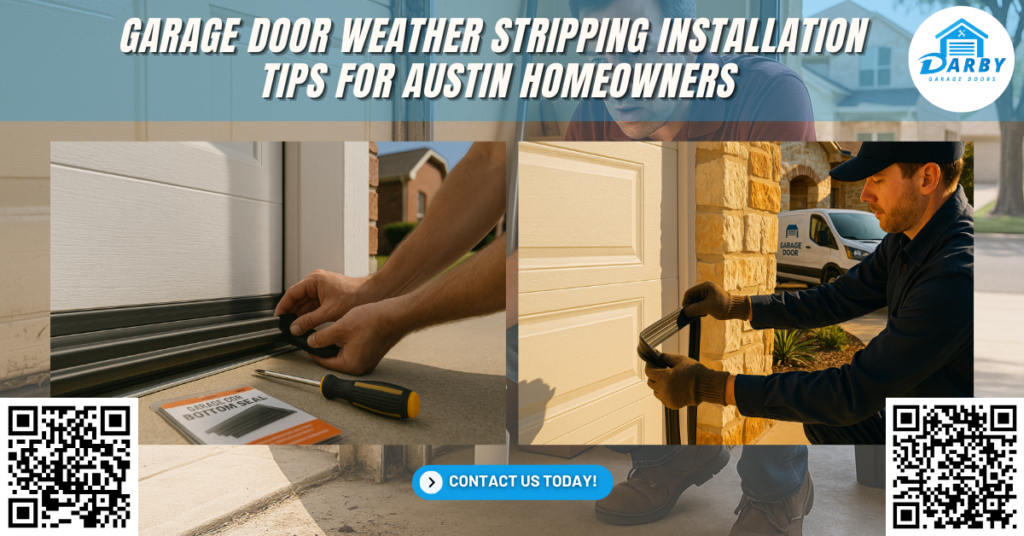
Living in Austin, Texas, offers countless benefits, from the vibrant music scene to beautiful parks and warm, sunny days that invite outdoor activities year-round. However, this unique climate also presents distinct challenges for homeowners. The weather in Austin can shift dramatically in a matter of hours, bringing scorching heat, intense humidity, and heavy rainfall. These fluctuations make your home’s protection and energy efficiency all the more important. One of our recent clients in the Tarrytown neighborhood reached out to us after noticing that her garage had become unbearably hot and humid, and was letting in dust and water during storms. After a thorough inspection, we found her bottom seal had deteriorated, and there was no proper side or top seal installed. We replaced everything with high-quality vinyl bottom seals and a comprehensive brush seal kit. The results were immediate: her garage became noticeably cooler, stayed dry even during storms, and was free from dust and pests.
According to the U.S. Department of Energy, sealing air leaks around your home, including garage doors, can reduce heating and cooling costs by up to 30 percent. That statistic is especially relevant for Austin homeowners, where air conditioning systems often run overtime in the summer months. A properly sealed garage helps reduce the load on your HVAC system, keeps interior temperatures more stable, and protects the structure and contents of your garage.
At Darby Garage Doors, we understand the importance of keeping your garage secure, weatherproof, and energy-efficient. This detailed guide will help Austin homeowners understand everything they need to know about garage door weather stripping, from its purpose and benefits to practical installation steps, common mistakes to avoid, and seasonal maintenance advice tailored to the Central Texas climate.
Understanding Garage Door Weather Stripping
Garage door weather stripping is a protective barrier that lines the edges of your garage door to keep out external elements. This includes rubber, vinyl, PVC, or brush materials that seal the gaps where the garage door meets the ground, the frame, and the header. These seals serve multiple functions: they block out air drafts, keep rainwater from entering, discourage pest infestations, and help regulate indoor temperature.
The weatherstripping components typically include three parts: the bottom seal that closes the gap between the door and the floor, the side seals that fit along the vertical frame of the door, and the top seal that runs across the header. Each part plays a crucial role in ensuring a tight, uniform seal. Without these, your garage is vulnerable to moisture, dust, insects, and significant energy loss.
In regions like Austin, where RealFeel® temperatures regularly exceed 100 degrees Fahrenheit (RealFeel®28°, RealFeel Shade™26°), a garage door without proper weather stripping allows that intense heat to infiltrate your home. This makes it harder to maintain comfortable indoor temperatures and contributes to higher energy bills.
Why Weather Stripping Matters for Austin Homes
Austin’s climate is a mix of extremes: hot summers with intense sunlight, high humidity in the spring, occasional heavy rainstorms, and the rare cold snap in winter. These environmental conditions can take a toll on your garage and the rest of your home if not properly managed.
Temperature and Energy Efficiency
During the summer months, the temperature inside an unsealed garage can soar, creating a heat island that impacts adjoining rooms in your home. This forces your HVAC system to work harder and increases your energy consumption. Proper garage door weather stripping acts as a form of insulation, reducing thermal exchange and helping to maintain a more balanced temperature throughout the property. This leads to noticeable reductions in monthly energy bills and enhances long-term energy efficiency.
Moisture Protection
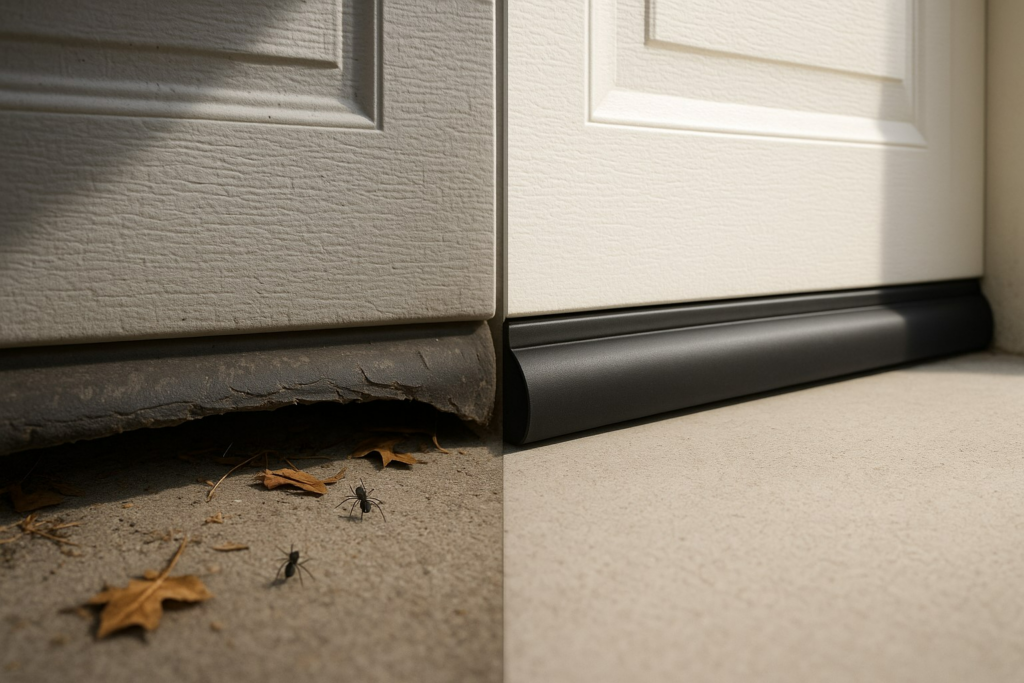
Austin receives significant rainfall during certain months, especially in spring and early fall. Without proper sealing, water can seep into your garage through small gaps at the bottom or sides of the door. This can cause damage to stored items, lead to mold or mildew, and even compromise the integrity of your garage floor. A good threshold seal combined with a quality bottom seal creates a waterproof barrier that prevents water from pooling or entering.
Pest Control
Rodents, insects, and even snakes can find their way into your garage through small gaps left by deteriorated or missing seals. Vinyl and rubber materials, when installed correctly, form a resilient barrier that blocks out pests effectively. This is especially important for homeowners who use their garage for storage, workshops, or as additional living space.
Cleaner Indoor Space
Gusty winds, dry weather, and nearby construction zones can all contribute to dust and debris entering your garage. Over time, this buildup can affect tools, vehicles, and equipment stored inside. Installing a brush seal kit on the top and sides of the door can prevent dust infiltration and keep your garage cleaner with less frequent sweeping or vacuuming.
Tools and Materials for a Successful Installation
Before beginning any installation project, it is essential to gather all necessary tools and select materials that best suit your garage door type and local climate conditions.
Tools You Will Need
- A measuring tape to get accurate dimensions of the door frame and floor
- Utility knife or heavy-duty scissors for cutting seals to the correct length
- Power drill or screwdriver for securing fasteners
- Putty knife or a flathead screwdriver to remove old materials
- Pencil or chalk to mark seal positions
- Safety gloves and goggles to protect your hands and eyes during the installation
Recommended Materials
- Bottom seals are made from heavy-duty rubber or vinyl for maximum durability
- PVC stop molding or brush seals for the sides and top of the door
- Fasteners such as galvanized screws or rust-resistant nails
- Adhesive caulking for sealing minor cracks or enhancing airtight performance
- Retainers or straight holders for bottom seals, especially on metal doors
Always select weatherstripping materials that are UV-resistant and rated for outdoor use, as they will be exposed to sunlight and moisture year-round in Austin.
Types of Garage Door Weather Seals
Understanding the different types of weather seals available will help you choose the best option for your garage and environmental needs.
Bottom Seals
- Rubber Bulb Seals: These round, flexible seals are excellent for uneven garage floors. They compress upon closing and provide a durable, watertight seal.
- T-Shaped and J-Shaped Seals: Ideal for aluminum or metal garage doors, these seals slide into specific track retainers and offer reliable performance in extreme temperatures.
- Beaded Seals: Used with double-channel retainers, beaded seals offer a snug fit and are commonly found on newer or premium garage doors.
Side and Top Seals
- PVC Stop Molding: This type of seal combines a rigid PVC frame with a flexible vinyl flap, making it perfect for sealing gaps along the vertical and top edges.
- Rubber Flap Seals: Flexible and easy to install, these flaps offer excellent resistance against air leaks and help block noise and pollutants.
- Brush Seals: Ideal for high-dust or commercial settings, brush seals provide a long-lasting solution for preventing dust and pests without compromising door movement.
Threshold Seals
Threshold seals are mounted on the garage floor and provide additional protection against water and debris. They are especially helpful in older garages with uneven or cracked concrete surfaces. When paired with a high-quality bottom seal, they create an almost airtight barrier.
Step-by-Step Guide to Installation
Step 1: Inspect the Existing Seal
Begin by thoroughly inspecting the existing seals on your garage door. Check for cracks, tears, flattened areas, or missing sections. Also, examine the door track and floor for debris or irregularities that might affect the new installation.
Step 2: Measure All Sides Accurately
Use a measuring tape to determine the length of each side, the top, and the bottom of the garage door. Measure twice to ensure accuracy and note any unique features like sloped flooring or gaps larger than 2 centimeters that may require thicker seals.
Step 3: Remove the Old Weatherstripping
Carefully remove all existing materials. Use a flathead screwdriver to lift nails or a putty knife to loosen adhesives. Clean the surface with a damp rag and allow it to dry completely. This step is crucial to ensure the new seals adhere properly.
Step 4: Cut New Seals to Size
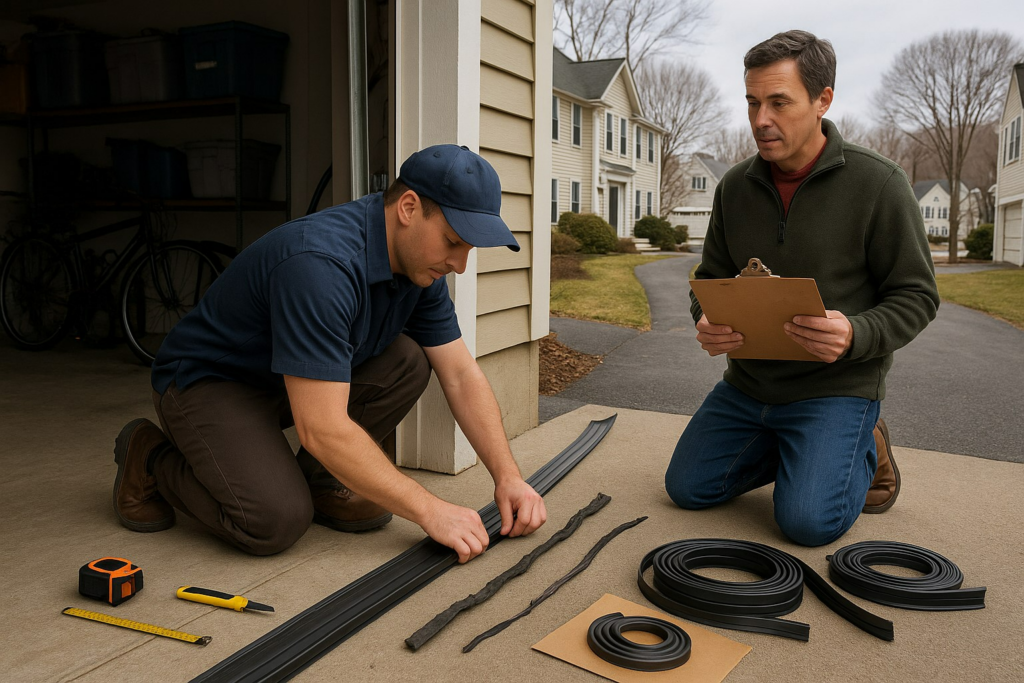
Cut the new materials according to your measurements. Make sure each piece lines up perfectly with the door frame and floor. When cutting bottom seals, be sure the seal length matches the width of the door and that it has enough flexibility to compress against the concrete surface.
Step 5: Install the Bottom Seal
If your door has a retainer channel, slide the bottom seal into place using a straight holder. For doors that require direct attachment, position the seal under the door and fasten it using screws placed about 30 centimeters apart. Check that the seal compresses slightly against the floor but does not prevent the door from closing.
Step 6: Install Side and Top Seals
Align the side seals so that the flexible edge gently touches the closed door. Secure the seal every 25 to 30 centimeters using galvanized screws. Repeat the process for the top seal, ensuring a tight connection at the corners to avoid leaks or air infiltration.
Step 7: Seal the Edges and Gaps
Use a high-quality exterior caulk to fill in any small gaps where the seals meet the door frame. This extra step helps enhance the airtight barrier and prevents moisture or dust from seeping through tiny cracks.
Step 8: Test the Door Operation
After installation, open and close the garage door several times. Ensure that the new seals do not obstruct movement and that the door maintains a tight fit when closed. Turn off the garage lights and use a flashlight from the inside to detect any visible light leaks.
Mistakes to Avoid for a Long-Lasting Installation
Incorrect Measurements
Inaccurate measurements can lead to gaps that defeat the purpose of weather stripping. Always take your time to measure each section carefully and allow extra length for adjustments.
Using the Wrong Type of Seal
Match the seal type to your garage door design and floor condition. For example, use bulb seals for uneven floors and T-shaped seals for metal doors with channels.
Over-Tightening Screws
Applying too much pressure can compress the seal or damage the frame. Fasteners should be snug but not overly tight to preserve the flexibility of the material.
Neglecting Surface Preparation
Dust, old glue, or rust can prevent new seals from sticking properly. Clean and dry all surfaces before applying new materials.
Seasonal Maintenance Tips for Austin Homeowners
- Spring: Inspect all seals after the winter months for signs of hardening or cracking. Clean off dirt and reapply silicone-based lubricant to maintain flexibility.
- Summer: Check for signs of UV damage or shrinking due to extreme heat. Consider upgrading to UV-resistant seals if your current materials have degraded.
- Fall: Prepare for rainfall by checking for any leaks or loose edges. Sweep out debris and reinforce seals before the wet season begins.
- Winter: While Austin winters are usually mild, occasional cold fronts can cause rubber seals to stiffen. Use cold-weather cushions if needed and ensure your seals maintain their shape and elasticity.
Final Thoughts: Protecting Your Garage Year-Round
Garage door weather stripping is one of the most cost-effective and impactful upgrades a homeowner can make. It enhances energy efficiency, protects against water damage, blocks pests, and keeps your garage cleaner and more comfortable. For Austin homeowners, where weather conditions vary significantly throughout the year, this step is essential for long-term home performance and protection.
By following this guide, you can ensure that your garage remains sealed, efficient, and well-protected. Whether you are a seasoned DIYer or prefer the confidence of professional installation, taking action now will save you time, money, and hassle later.
How Can Darby Garage Doors Help You?
At Darby Garage Doors, we specialize in expert garage door service for residential and commercial properties throughout Austin and the surrounding areas. Our team of experienced technicians can assess your current setup, recommend the best materials, and provide professional installation for lasting results. From premium garage door systems to routine maintenance, we deliver reliable service and unmatched customer satisfaction.
Get in touch today:
Address:3505 Darby St, Austin, TX 78721, United States
Phone: (512) 881-8331
Experience the peace of mind that comes from a properly sealed, weatherproof, and energy-efficient garage. Call Darby Garage Doors now and let our team help you protect what matters most.
Frequently Asked Questions (FAQs)
1. How long does garage door weather stripping typically last in Austin’s climate?
In Austin, garage door weather stripping generally lasts between 3 to 5 years, depending on material quality and exposure to sunlight, heat, and moisture. Regular inspections can help you catch early signs of wear before it fails.
2. Can I use household weatherstripping products for my garage door?
Standard weatherstripping designed for doors and windows inside the home is not suitable for garage doors. Garage door weather stripping requires heavier-duty materials like rubber, vinyl, or brush seals to withstand outdoor conditions and repeated movement.
3. Will new weather stripping make my garage completely airtight?
While proper weather stripping can create a strong barrier against drafts, pests, and moisture, it won’t make the garage completely airtight. Small air exchanges are still possible around hinges and moving parts, especially on older doors.
4. Does weather stripping help with soundproofing my garage?
Yes, high-quality garage door weather stripping can slightly reduce noise from outside by sealing gaps where sound can enter. However, it should be combined with insulation panels or sound-dampening materials for significant soundproofing results.